Pre-charged pneumatic airguns, with their recoilless actions, are undoubtedly far easier to shoot accurately than a springer.
So why do good old traditional spring powered designs continue to account for a significant slice of total sales? The answer lies with their self-contained power source and with no bottle or pump required, they remain an attractive prospect.
There’s more to it than that though, as understanding and taming the spring piston system, can be immensely satisfying and rewarding.
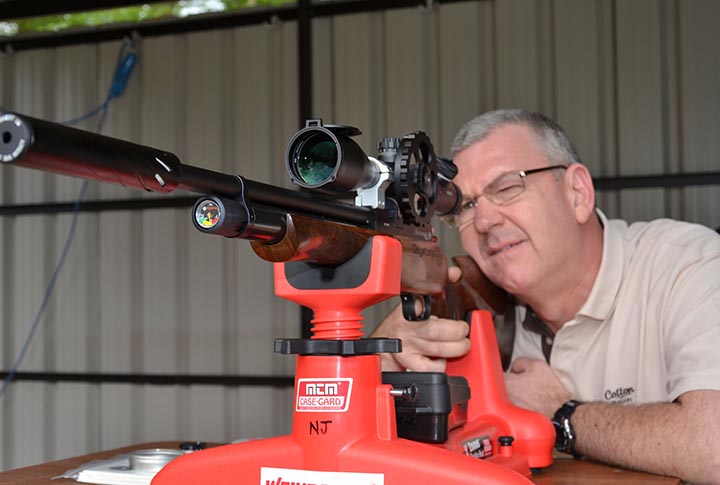
Principles
In this 3-part blog, we’ll shed some light on getting the best from springers, and it will require practise and application along the way. So let’s start with the basic principles of marksmanship, (applicable irrespective of what type of airgun you shoot) as follows:
1. Position and hold must be firm enough to support the rifle.
2. The rifle should always point naturally at the target.
3. Sight alignment must be set correctly
4. The shot must be gently released and followed through without disturbing the position
OK; these are very basic pointers, as laid down by military doctrine, but it all starts here, and as we shall see, there are a wealth of contributory factors which all play a part.
Spring guns, and equally gas-ram designs (since they recoil in much the same way), place specific demands upon the shooter, and by so doing, they require much more input and care in order to achieve good results, especially when compared to recoil free pneumatics.
Get Familiar
It is fair to say that the very best spring-piston airguns can equal PCP’s accuracy wise, but we really have to work hard to get there. Familiarity is key, and just becoming accustomed to how our gun feels and shoots, will pay dividends in the long run, and there’s no substitute for regular practise.
So what makes a springer harder to shoot?
Well it’s all to do with the heavy piston and mechanics flying around inside during the shot cycle. Pull the trigger on a PCP, and it releases a hammer which knocks open the valve inside the main air cylinder. This releases a pulse of air to power the pellet. There’s comparatively few moving parts inside, and the end result is a near recoilless action. We say ‘near’, as all but a few of the most sophisticated match rifles still exhibit the phenomenon of ‘muzzle flip’ and a very slight ‘rocket effect’ back in the shoulder – due to basic physics.
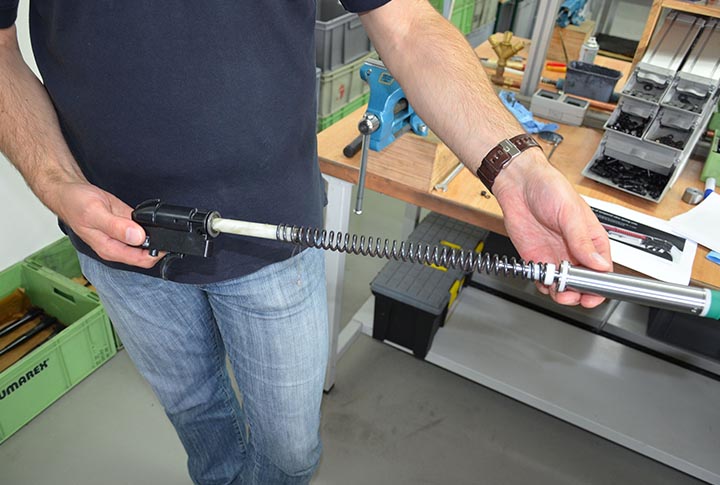
However, it’s all very mild when compared to the firing cycle of the average springer. Here, the sears release a heavy piston which then surges forward under extreme pressure as the mainspring expands. The more sophisticated designs are the result of an number of precise calculations, ensuring that the piston comes to rest with the least amount of bounce/surge.
Ideally an effective air brake is formed by the cushion of air built up in front of the piston, before the air completely escapes through the transfer port. Everything happens in milliseconds. If the air escapes too soon, the piston ‘bottoms out’ – hitting the end of the cylinder with force, causing secondary recoil as it surges backwards. This is the classic two-way recoil of the average springer, and learning to overcome this phenomenon, is our aim here.
Consistency = Accuracy
It’s another basic message, but consistency really does equal accuracy. What we mean by that is that every aspect of our approach to shooting needs to be exactly the same, replicated time after time; as it’s all about dealing with the gun’s recoil.
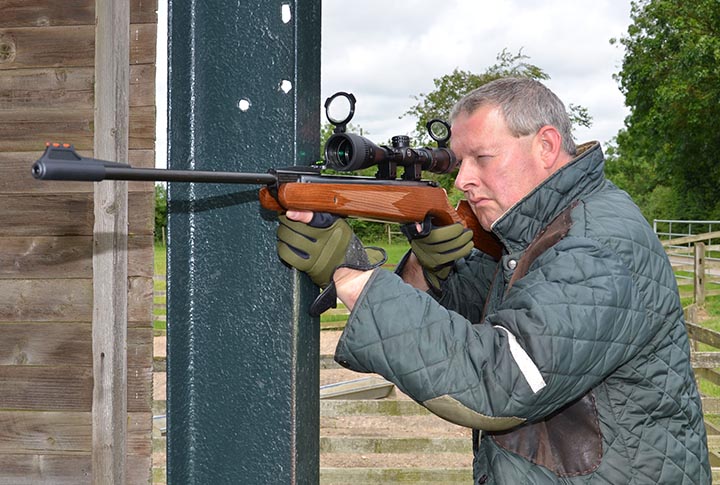
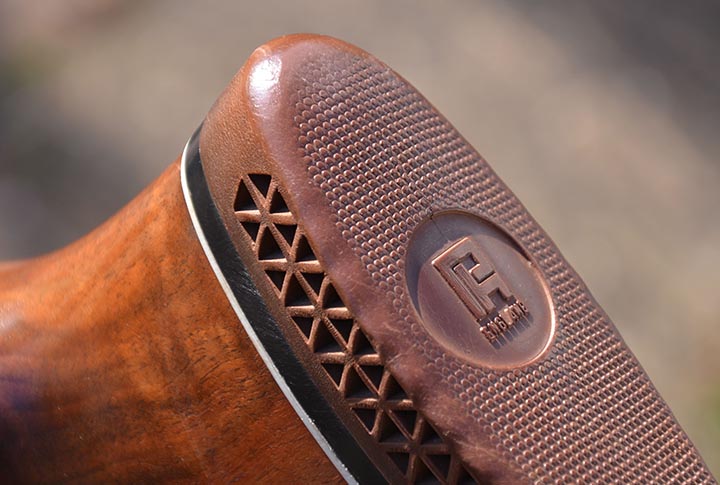
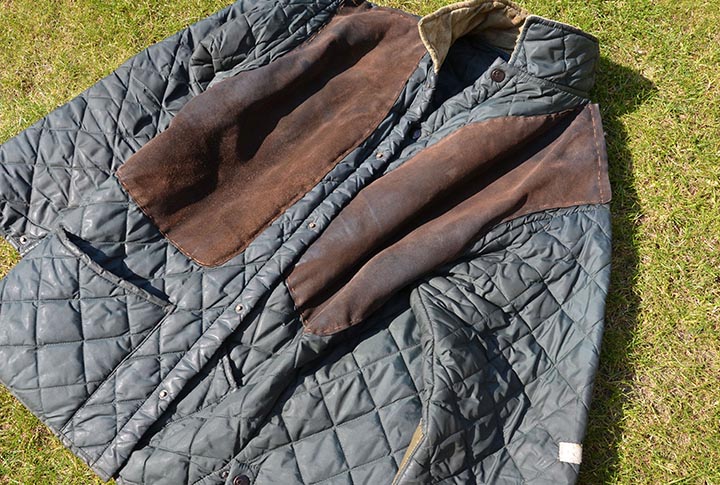
As a spring gun kicks backwards, it transfers some energy to the shooter. A highly tuned model with less recoil maybe more forgiving of bad technique, whilst a basic starter gun may kick significantly. Both guns need the same measured approach, and ideally a well padded shooting jacket to absorb some of the recoil.
Olympic Style?
Look at the Field Target world today, and at the top level, it’s dominated by shooters wearing stiff leather Olympic style jackets, and for this discipline, many top exponents swear by them.
However, whatever shooting jacket you decide upon, the key thing is to wear it EVERY time you shoot. The same thickness of padding in the shoulder will absorb the same amount of recoil every time. Switch to a thin T-shirt on a hot day, and you may notice a difference in zero, albeit slight. We’re talking attention to detail, and if the goal is repeatable accuracy, then thinking about your whole approach will pay dividends, whether shooting Field Target, HFT, or hunting.
Safe Operation
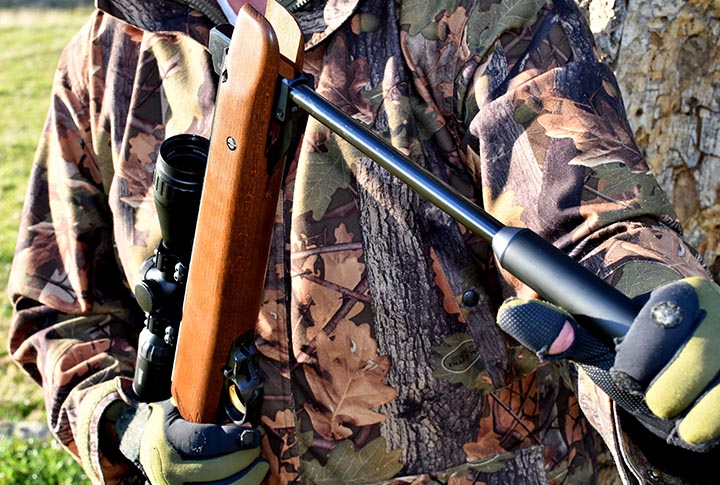
Operating spring-piston or gas-ram airguns means by definition, we are working against a spring-loaded action; so remember to be in control of the gun when cocking the action at all times. That means gripping the barrel on a break-barrel tightly whilst chambering a pellet, and likewise, keeping hold of the under-lever on that type of gun, whilst fingers are hovering around the breech.
There’s significant internal spring pressure at play, so just remember safety at all times, and you wont regret it.
So we’ve thought about our basic approach. Next time out, we’ll start looking at the different shooting positions all with a view to how we can maximize consistency, and in turn results.
Until then, happy shooting!