Opt to compete in outdoor airgun competitions such as Field Target, Hunter Field Target, or Extreme Bench Rest, and it can be a great challenge. These sports are open to all, and anyone can get involved, but for those who wish to break into the silverware, then every aspect of the sport needs to be considered. A super accurate gun is a pre-requisite, and obviously a skill level and knowledge base are required, for a podium placing. Top quality pellets are also a vital piece of the jigsaw. However, in some circumstances, pellet preparation can also be an area well worth investigating.
Processes
We’ve covered ‘choosing the right pellet’, in a previous blog, so in this one, it’s assumed that a quality pellet has already been selected, which performs well in our chosen rifle. What we are going to discuss here, is a number of processes which can be gone through, to ensure that pellets are more consistent, and therefore perform more reliably.
Pellet Variation
Shoot live stuff, and ammunition can be significantly pricey, whereas in comparison, even the very best quality airgun pellets are between £15-£20 a tin, often for 500 shots! However, it’s a source of irritation to competitors, that even the very best pellets can occasionally suffer from erratic quality.
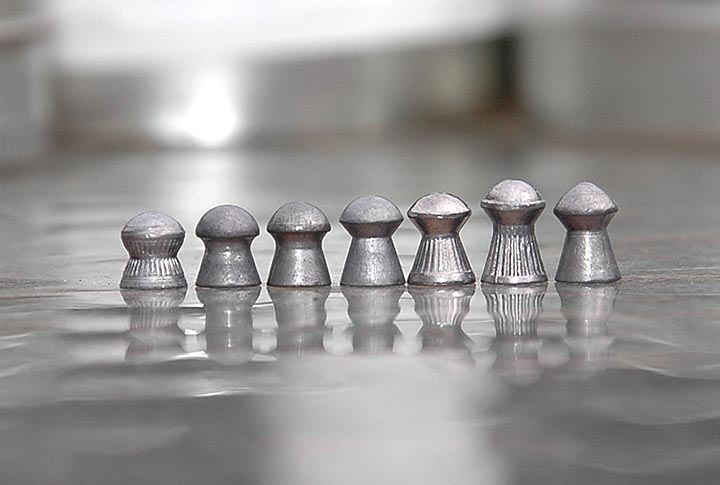
A manufacturers die may have worn slightly, and this can lead to the pellets dimensions, whether internal or external, varying slightly from one batch to another. The pellet’s head size can vary, and so can the pellet’s weight. Neither deficiency easily detectable by the naked eye. Purchase lower quality ammo, and you can even get pellets of different types in the same tin! Yes really!
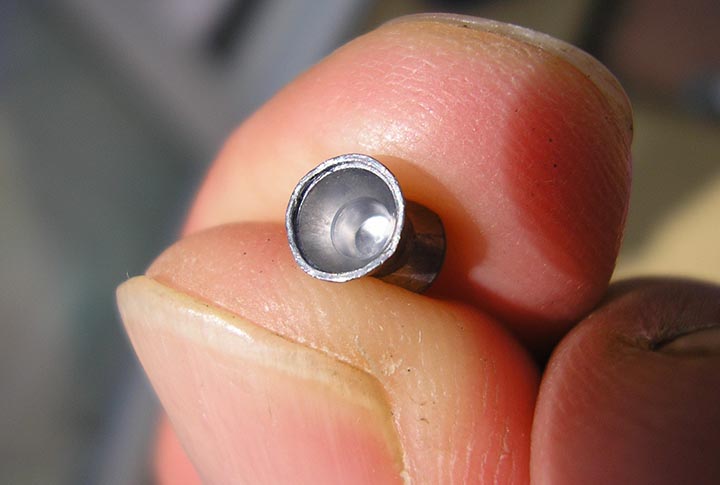
Ammo from the big names such as JSB and H&N should be, on the whole, fine, but perfection isn’t guaranteed. Stumble across a rogue tin, and weights can vary by some margin. Variation between individual pellets of plus or minus .2 of a grain, is totally acceptable, and that sort of difference is hard to detect downrange. However, greater variation can cause problems, with inconsistent impact points; again, only relevant for enthusiasts who are pushing accuracy and consistency to the outer limits.
Barrel sensitivity
Head size of a pellet can make a big difference, with a particular barrel often favouring a particular head size. For this reason, the big pellet manufacturers such as H&N, RWS, and JSB, now offer their top grade competition pellets in a choice of head sizes, and with a sticker often on the underside of the tin, stating specific pellet weight and batch number, information is now available, for those that care.
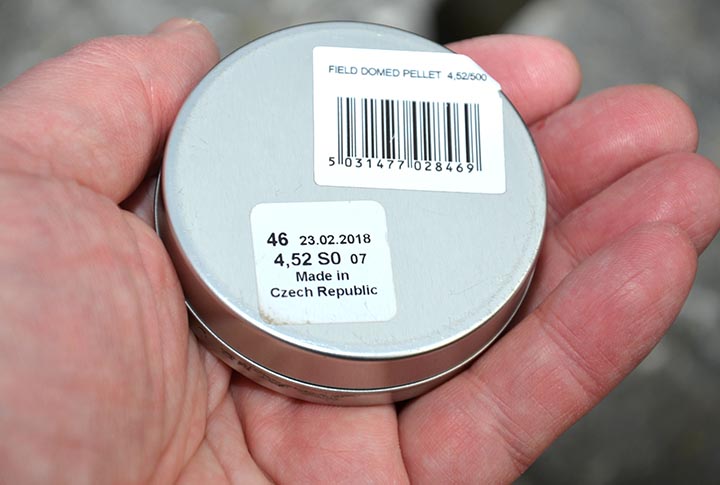
Improving Consistency – Washing Pellets
So what this two part blog is intending to do, is to provide guidance on how to improve pellet consistency, and in turn, performance. Part of the production process for pellets, often sees them pick up a light film of oil or machine lubricant along the way, and whilst this can have little effect on performance, if we want to push everything to the nth degree, then it can be beneficial to remove that coating.
Field Target shooters in some circles, have for years toyed with the idea of preparing pellets, and for some, it can be a satisfying process, that brings peace of mind and confidence to the kit. To other casual shooters, just fun shooting on the range, it will all seem a step too far, and understandably so.
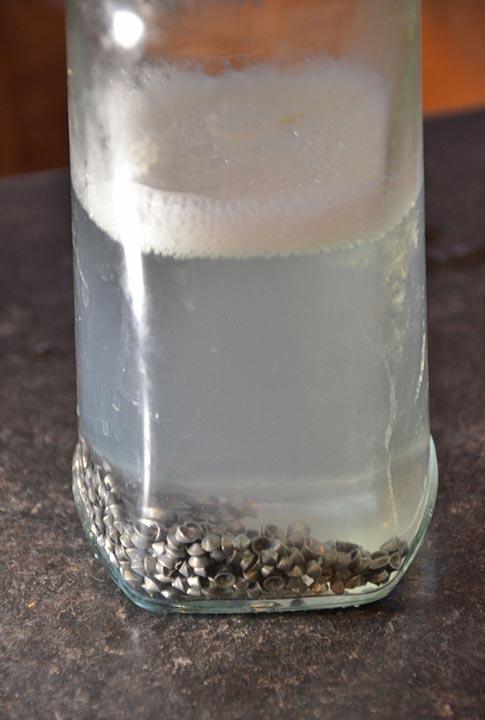
Fall into the former camp, then a good first stage of pellet preparation is to gently wash the pellets in a solution of washing up liquid and warm water to remove any unwanted oil/film. Take an old coffee jar, 2/3 fill it with warm water and a dash of washing up liquid, then gently drop in the pellets. Gently rotate and twist the jar, rotating and twisting, allowing the pellets to tumble over and rub each other in the solution. In a few minutes, excess machine oil will have been removed, and the pellets can be carefully emptied out into a sieve in small batches. Tip the pellets onto a clean cloth or paper towel, taking care to keep any swarf back in the sieve. Repeat until the entire tin of pellets have been degreased. Gently pat the pellets dry with another clean cloth or paper towel, and leave to naturally dry in a fairly warm room.
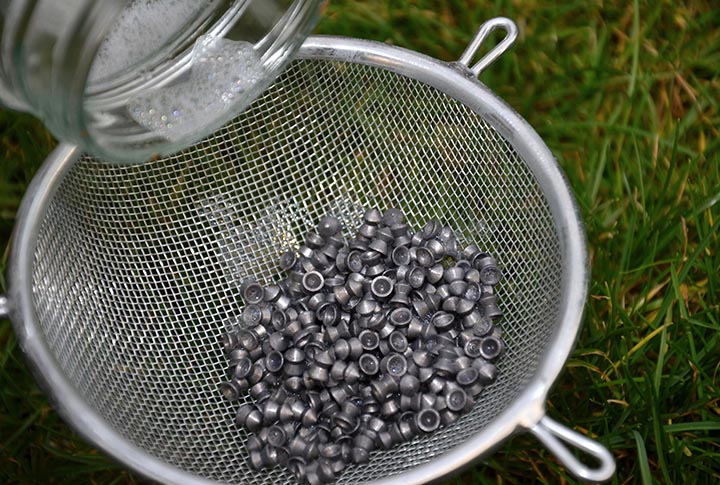
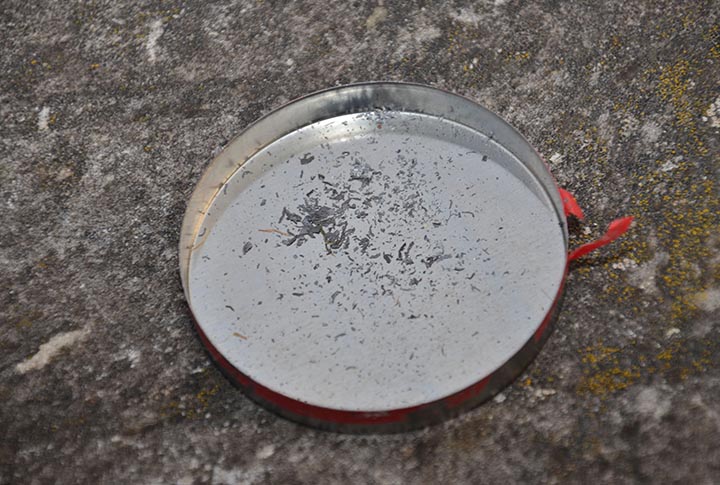
So Stage 1 Is Complete – We now have relatively clean pellets, free from swarf.
In part 2 of this blog, we’ll deal with weighing our pellets, sizing them, and re-lubing. The big caveat here is of course the fact that the vast majority of shooters probably use their pellets straight from the tin. These processes are simply for guidance, for serious competition shooters that wish to experiment, all in a bid to improve performance.