So in part one, we established that even the best pellets can be less than perfect, and that gently washing them in a washing up liquid solution, can remove excess machine oil and swarf from the production stage.
In this second part of the blog, we’ll cover weighing and sizing pellets, all in a bid to maximize performance down-range.
Weighing Pellets
OK; so this subject can divide opinion, and if you’re in the camp that likes to just turn up at the range, and use pellets straight from the tin, free from hassle and stress, then that’s fine. However, if you’re one of those that like to push for better performance, then weighing ammo could be beneficial.
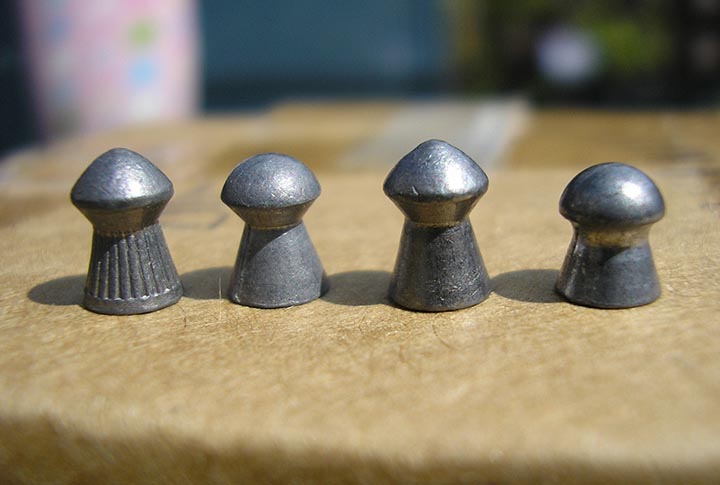
The obvious starting point is to visually inspect each pellet as you weigh it, as it’s obviously a pointless exercise weighing anything deformed, bent, or uneven. Yes it’s true that a small bit of skirt deformation may well be blown out by the pulse of air from the shot, and it may have little or no affect on the pellets flight path. However, since our whole exercise here is about trying to eliminate variables, and peace of mind, it must pay to put aside any less than perfect pellets (visually), and keep these just for practise.
Scales
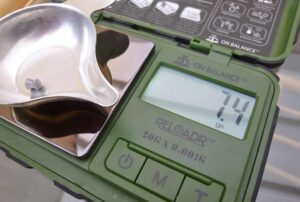
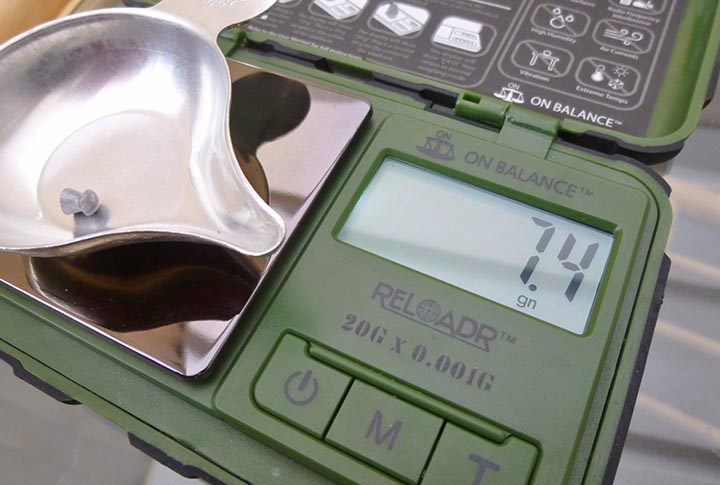
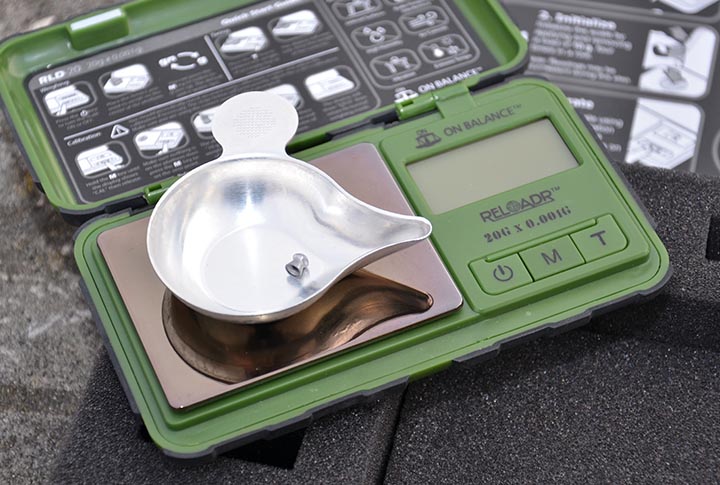
So to get started, we need our set of scales, and these need to be the precision variety. Models normally designed for either reloaders (powder scales) or for the diamond industry, should be ideal. They need to be capable of reading weights to within one tenth of a grain, which is very fine indeed. And a simple test of the scales integrity, is just to check if a particular pellet shows exactly the same weight, when weighed several times in succession.
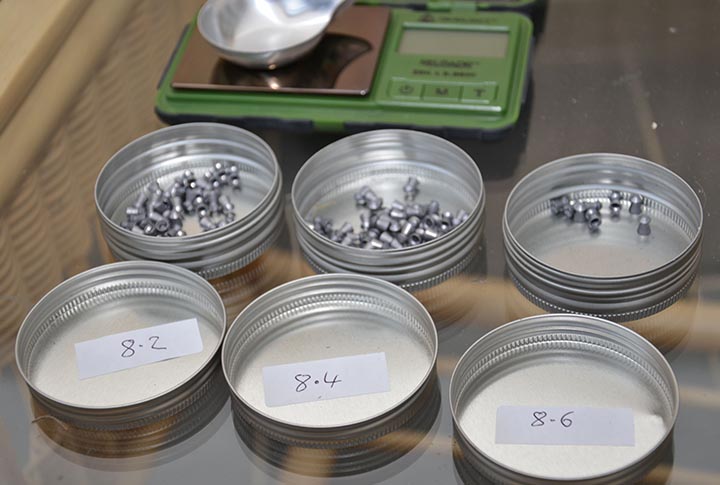
Once we have proved the scales are up to the job, weigh a sample of pellets, placing them into groups of the same weight. Pellet scales are ultra sensitive too, being affected by the slightest breeze, so stating the obvious, but do all weighing indoors.
JSB pellets are quality, and Air Arms Diabolo Field are a good example of an ultra successful dome head design; just to illustrate the point. 8.44 is the stated weight on the tin, so taking that as an example and accepting that .1 of a grain variation either way is acceptable (in terms of discernable difference in performance), the process here would be to place all pellets that weigh 8.3grain, 8.4 or 8.5, into one container, designated the main usable batch, whilst pellets that fall outside and either side of this weight band, can be put into their respective containers. These could be just used for practise, or held back for separate testing, to see how they shoot. The thinking being that if the rifle in question shoots well with a particular weight of pellet, then these could be used further down the line, with a small tweak of the gun’s zero.
Pellet Sizing
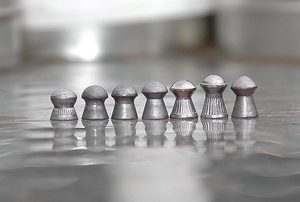
Pellet sizing is another interesting element of pellet selection and preparation, and a first point to make is that sadly, whilst some top pellet brands stamp on the tin a particular head size, competition shooters, be they HFT or Field Target, are often heard complaining that certain tins contain a few pellets with different head sizes, and not all the specific head size stated!
OK; it’s not crime of the century, but it does rather negate the point of stating sizes in the first place. Not great, but it’s the reality of the market at the moment. Now again, in the real world, these small imperfections may actually make little to no differences down range with a particular gun, then again, they can do!
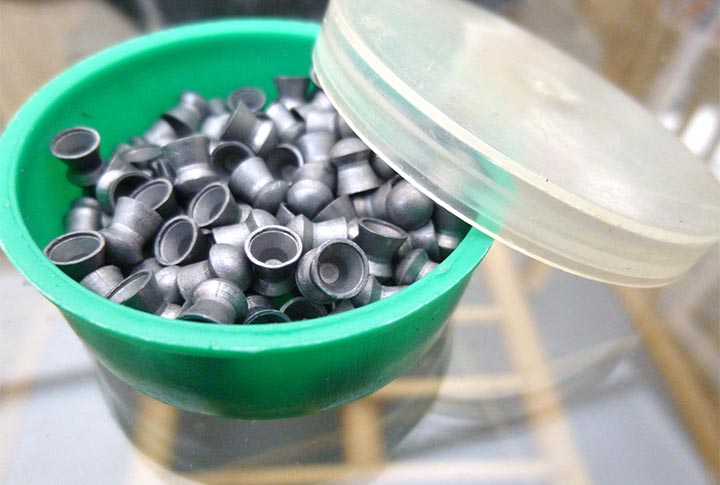
Sizing our own pellets can therefore be beneficial, and we’ll deal with that in the final part next time.
Range & Country