So you’re now the proud owner of a brand new airgun, and it’s living up to expectations. However, in order to keep it in tip top condition, and performing how it should, there are a few really basic checks and procedures that make sense in the long run. So here’s a few starters we’ve put together, to keep the show on the road, and your shooting ticking over as it should be.
SCREW CHECK
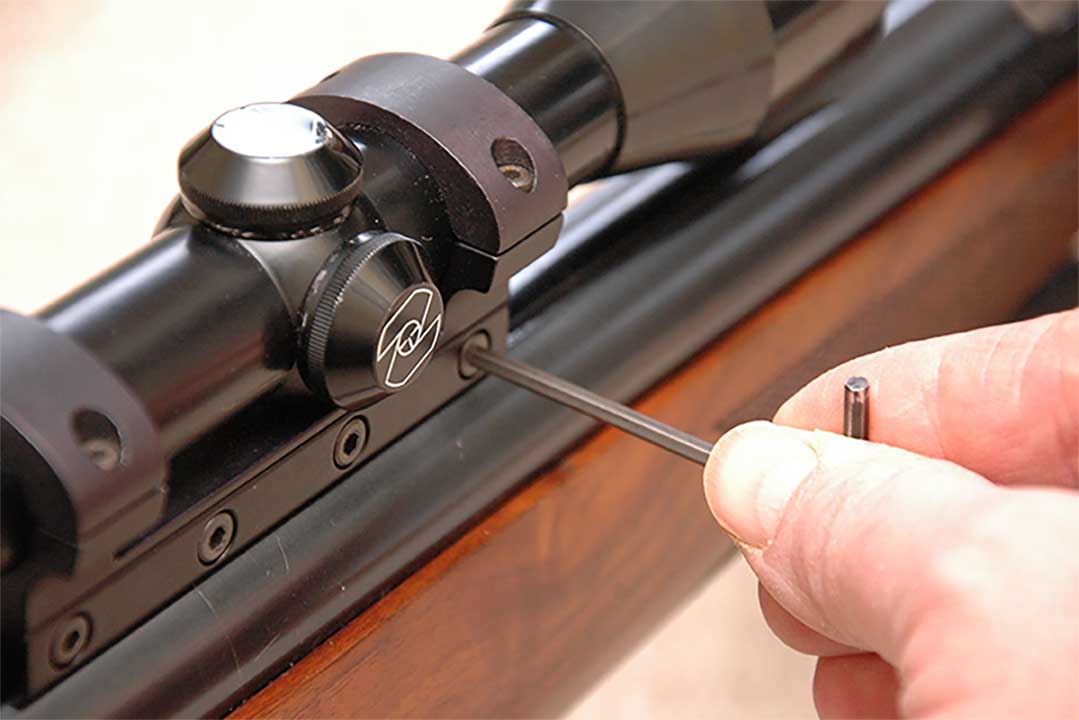
Stock screws can work loose and need to be checked periodically. This is vital with a recoiling spring-piston/ gas-ram airgun, as the regular kick of the action can be enough to work things loose. It not such an issue with a recoil free PCP obviously, but a quick check over once a month with either a screwdriver or an allen key, dependent upon the gun, should guarantee nothing works loose when it shouldn’t. The moment resistance is felt on the screw, just tighten slightly and that should be enough but don’t overtighten or use power tools as we only need gentle force here. If in doubt, use a pre-set torque wrench, but a common sense approach should do.
DUST & DIRT
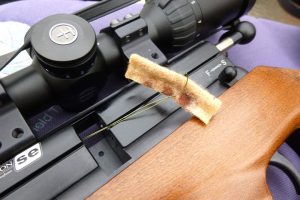
Airguns are precision tools, and will always work best, when shown some respect. Shooting around farm buildings or just out on a super dry day can create a dusty environment, and a build up of dirt and grit, especially for a pneumatic mechanism, isn’t ideal. Carry the gun in a slip around the shoot when not in use, and wipe off excess dirt after use. At the end of the season, it’s worth whipping the stock off (normally one or two easily removable bolts), and giving everything a wipe off, then run over any blued steel areas with an oily cloth.
OILY RAG
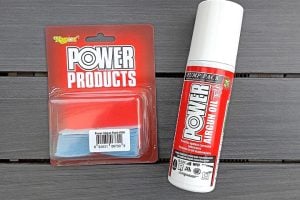
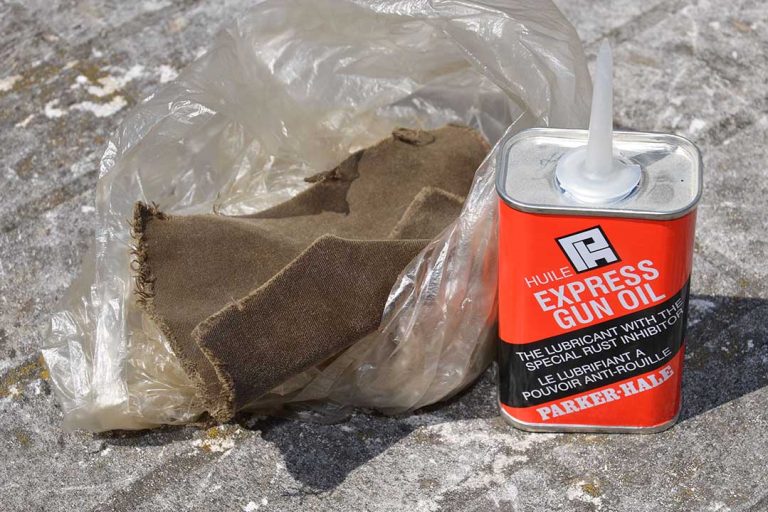
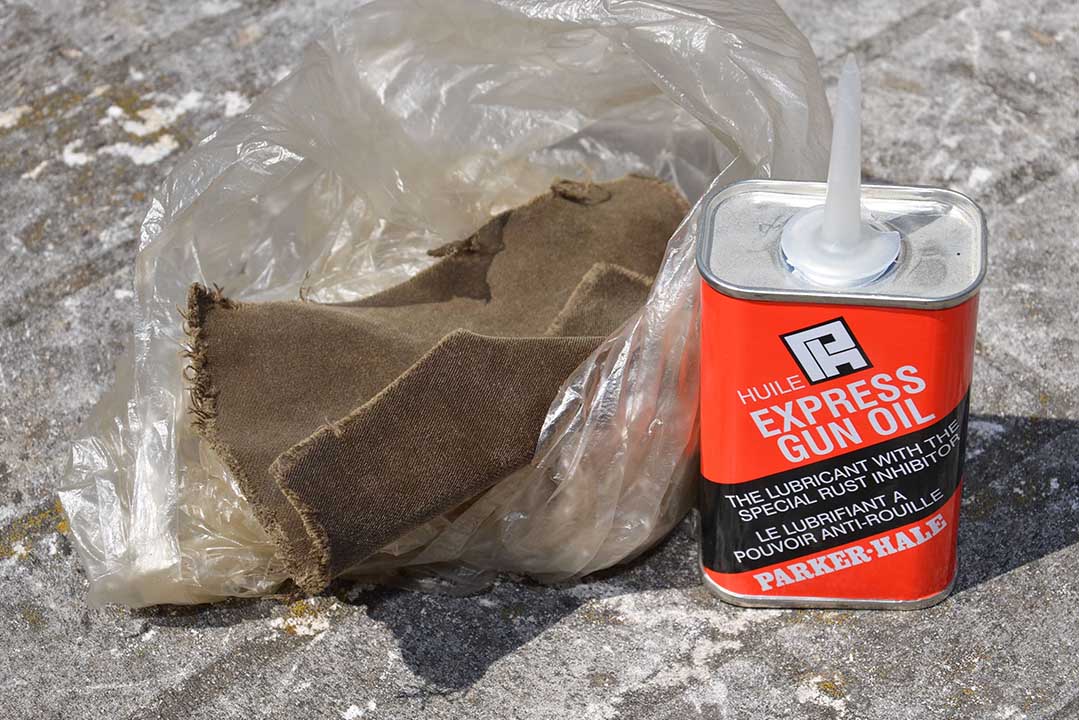
Whilst on the subject, any airgun with areas of blued steel will benefit from a wipe over with an oily cloth. Use a gun oil intended for the purpose such as Parker Hale Express Gun Oil. Just handling a gun and leaving sweaty fingerprints can be enough to cause rust, so this is a basic task after each session, that really pays in the long run. Use the gun in the rain, and this becomes even more important, and stock removal will allow proper access to see and remove any trapped moisture. Standing the gun in a warm room still makes sense to allow anything unseen to fully dry out. If the gun’s been out in rain, then cleaning the barrel is also highly advisable, although looking after the barrel is a subject all in itself, so we’ll come to that in a future blog.
PELLET HANDLING & STORAGE
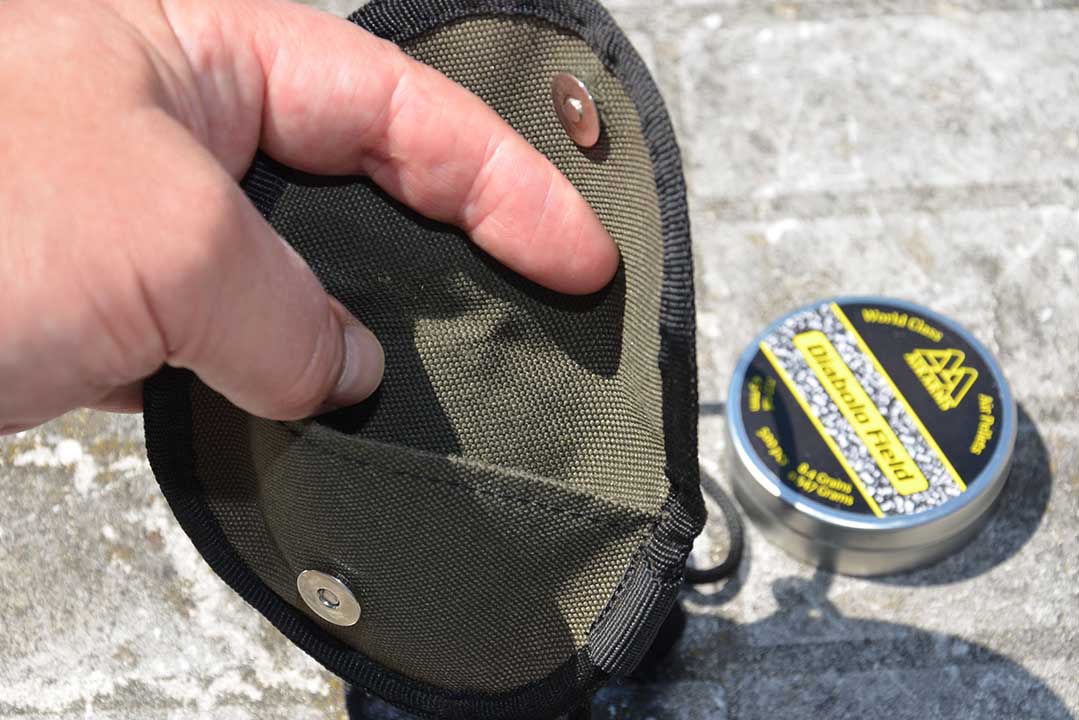
Our gun is only as accurate as the pellet, and whilst a casual approach is fine for fun shooting, those who wish to push performance to the limit, will inevitably find themselves taking much more care with every element of their kit- and that includes the ammo. Shoot outdoors, and again dust and dirt can be present, so it pays to keep pellets safely stowed in a pouch or pellet holder of some sort, rather than just leaving an open tin on the ground, at the mercy of the elements. Lead pellets are relatively soft, so just leaving in a pocket, apart from the grit issue, runs the risk of damage. Some competition shooters favour holders with individual slots for pellets, but a simple closable pouch can suffice.
SCOPE LENSES
Scope lenses can get dirty and smeary, from accidental touching and general use, and just like any precision optical kit, using a dedicated moist lens cloth (bought in sealed sachets from Boots or camera shops) will sort the problem. Just like camera lenses though, blow dirt and grit off the lens first to avoid scratches.
MULTI-SHOT MAGAZINES
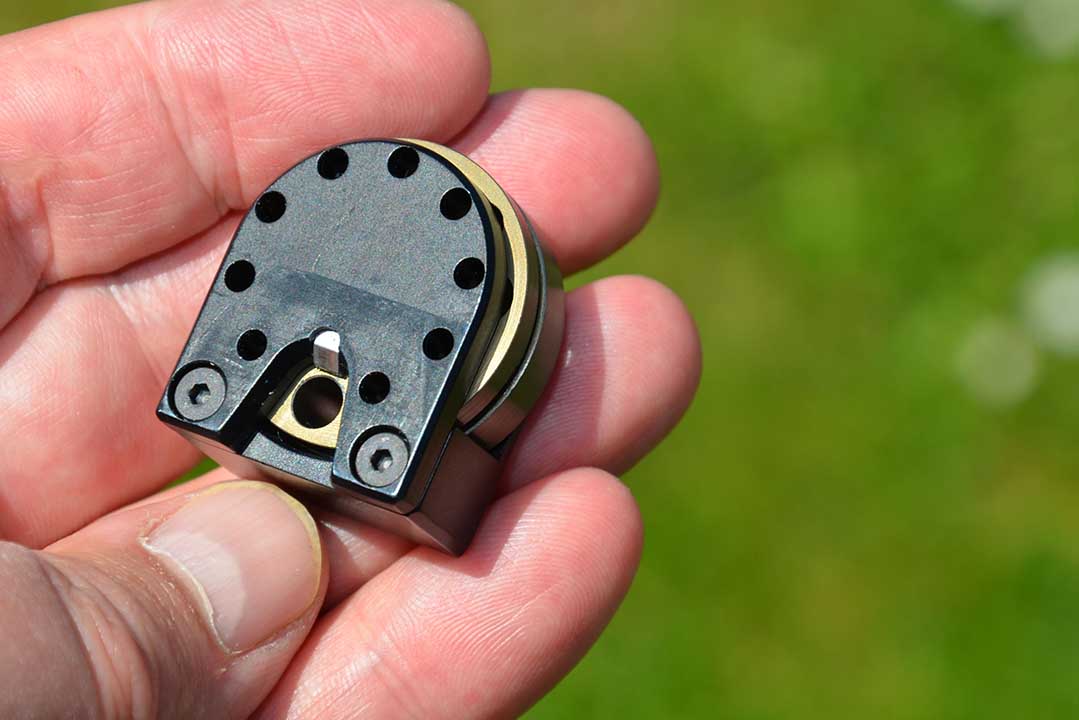
Many airguns are multi-shot models these days, and the magazines utilized can be intricate and complicated mechanisms in their own right. Again, keep them free from dirt, somewhere safe in a clean pouch or pocket, and don’t let them fall onto the ground. Blow dirt clear and check them over periodically.
AIRGUN PUMP / DIVERS BOTTLE
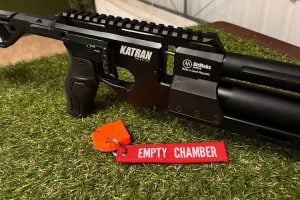
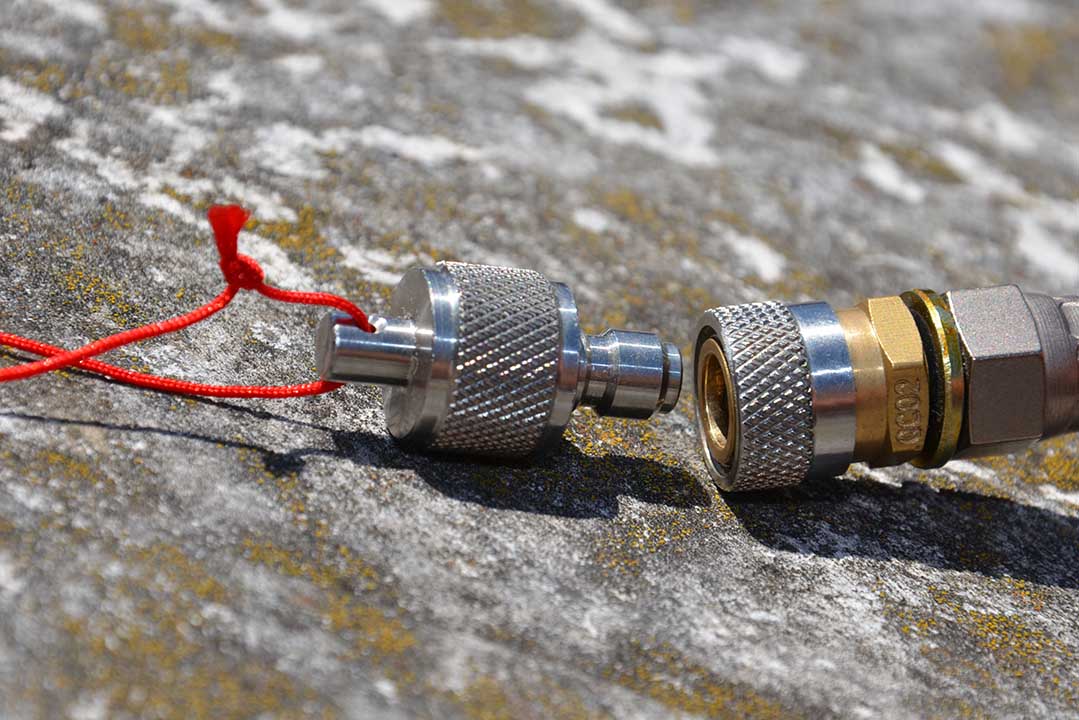
If using a PCP airgun, these need charging gear, and again, it pays to be mindful not to allow grit to get into the cable connections. If the main connector is of the Foster variety, then a company called Best Fittings supply a Residual Pressure Test/ Dust Plug which plugs into the end of the cable and keeps dirt out when not in use. Simple but vital.
And finally, if using dedicated airgun pumps, take heed of the moisture trap guidance, as these are designed to minimize any moisture naturally present in the air. Ideally we don’t want excess moisture inside our airgun’s workings, so it pays to keep on top of the guidance. Hill pumps sometimes come with their Dry-Pac pod, that filters air as it works. Here, they recommend changing the medium inside the pod every 2-3months, so worth sticking to this for maximum effect.
So there we are – just a few basic pointers and procedures that will all help keep our treasured hardware performing as it should be. Simple, inexpensive and worth building into our routine.
Range & Country