So what to buy – .177 or .22, and what about .25?
The calibre question is an interesting one, and for many newcomers to airgun shooting, it’s yet another topic that can tie the brain in knots! But fear not; for this time out, we intend to shed some light on the basic guiding principles, to help make choosing the right calibre that bit easier.
Trajectory
Whether you intend to use your airgun for hunting, competition shooting, or just fun/casual plinking, choosing the right calibre can make a difference. Trajectory is a logical place to start as it’s important to appreciate the big differences between the calibres. By definition, the .22 pellet has a larger surface area over the head, so has more impact than the smaller .177, and for this reason it’s been traditionally recommended for hunting. However, it’s not quite that simple.
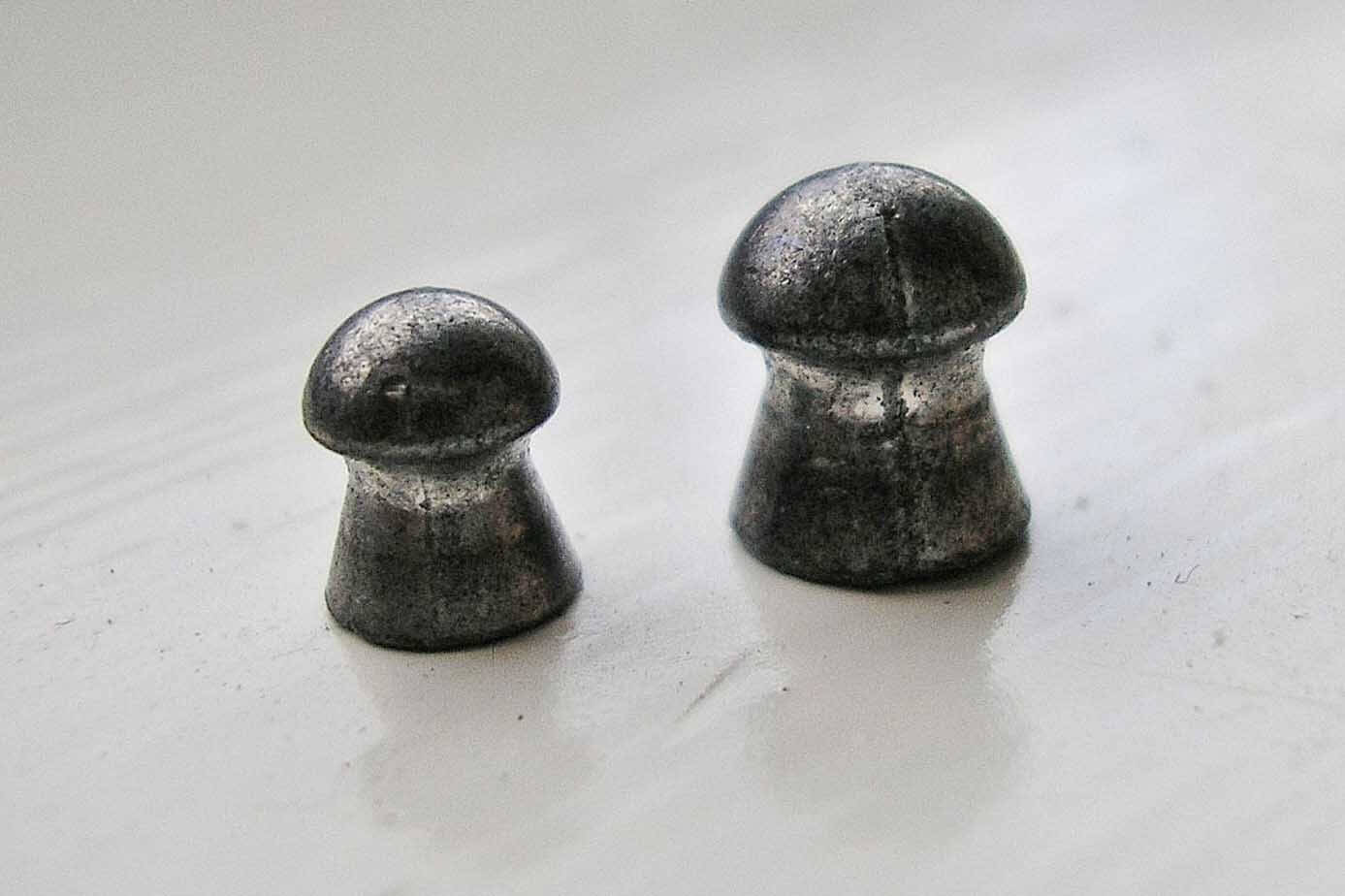
There are of course a multitude of pellets designs on the market, with differing weights, but as a rule of thumb, the .22 pellet is roughly twice the weight of its .177 equivalent. Now whilst this mass helps with impact, it creates a much more pronounced trajectory curve, when compared with a comparable .177 version.
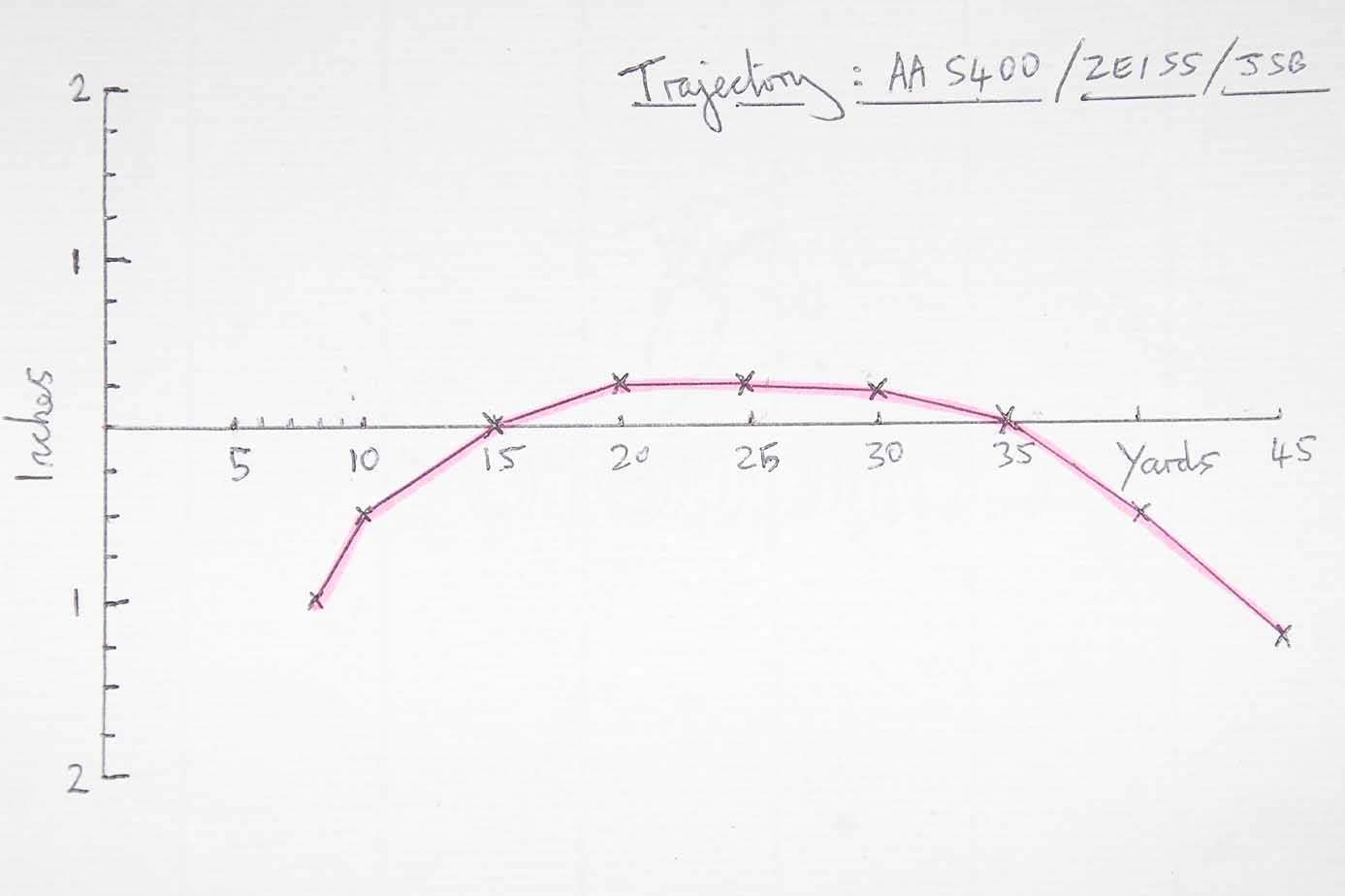
So in basic terms, it becomes more difficult to hit the target. From a similar starting point of 11.5ft/lbs, the heavier .22 drops at least twice that of the .177 at the critical ranges of 40yds plus. That’s about the outer limit for hunting with a legal limit airgun, but as can be seen, judging the target distance accurately becomes even more critical, if the vital organs are to be hit. So the risks of wounding are far greater with the heavier pellet, unless great care is taken. Use a laser range-finder, or hunt over a known area with range markers, and it’s a different ball game entirely, but something to consider nonetheless.
FAC
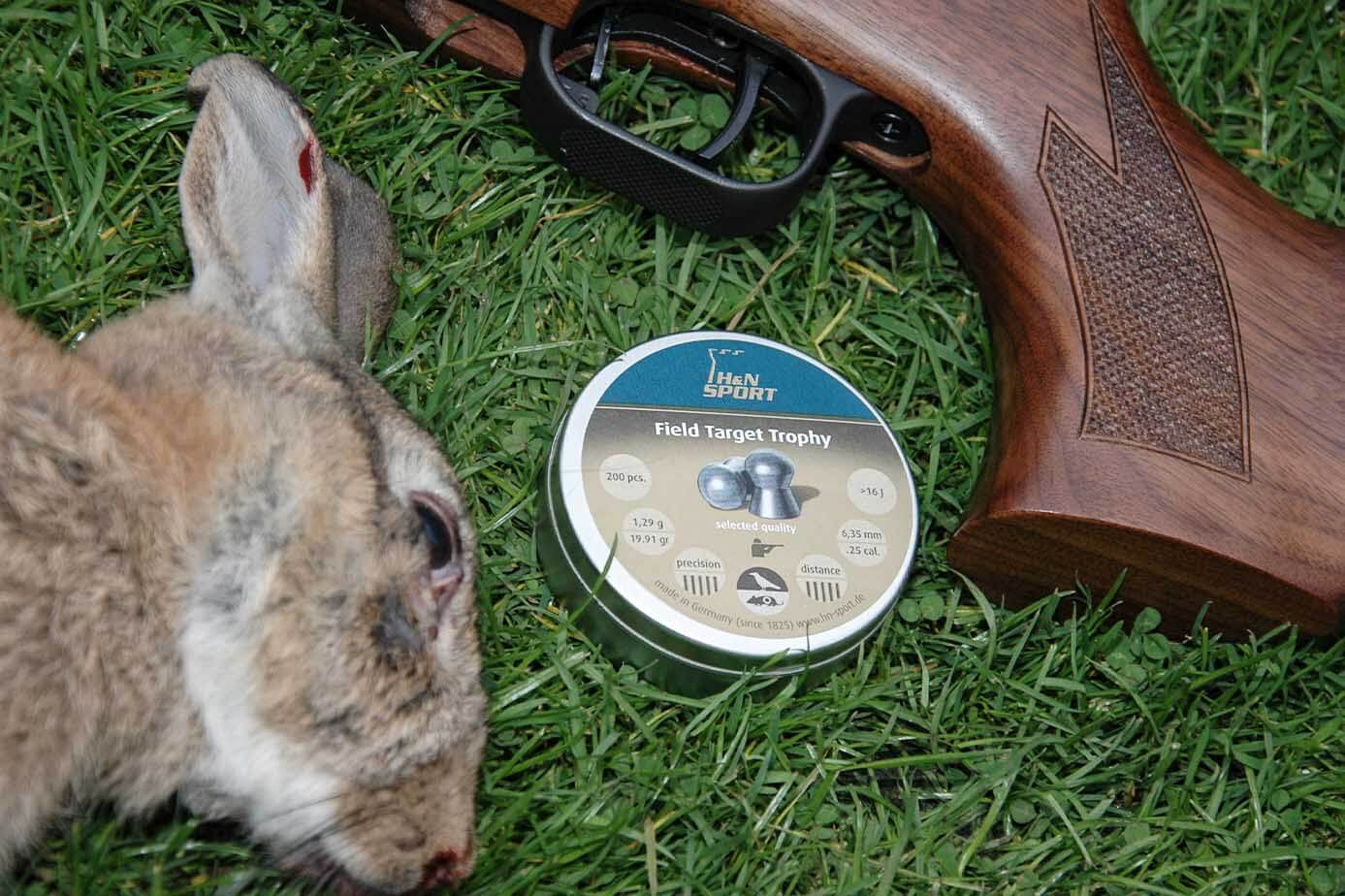
.177 can be fine for hunting, but with the smaller pellet, it becomes even more important to hit the right area for clean kills, and the flatter trajectory helps in this regard. We’re talking legal limit here. For those that invest in the necessary paperwork, and take the FAC route, higher power dictates that .22 (being a more robust pellet with thicker walls to resist the air blast), is the calibre of choice. Here, much higher energy levels help flatten out the curve, and .25 and even .303 calibre are options with some models, set to a suitably level.
Competition Shooting
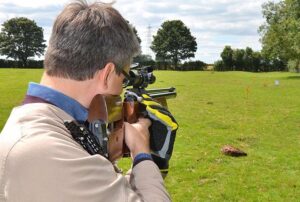
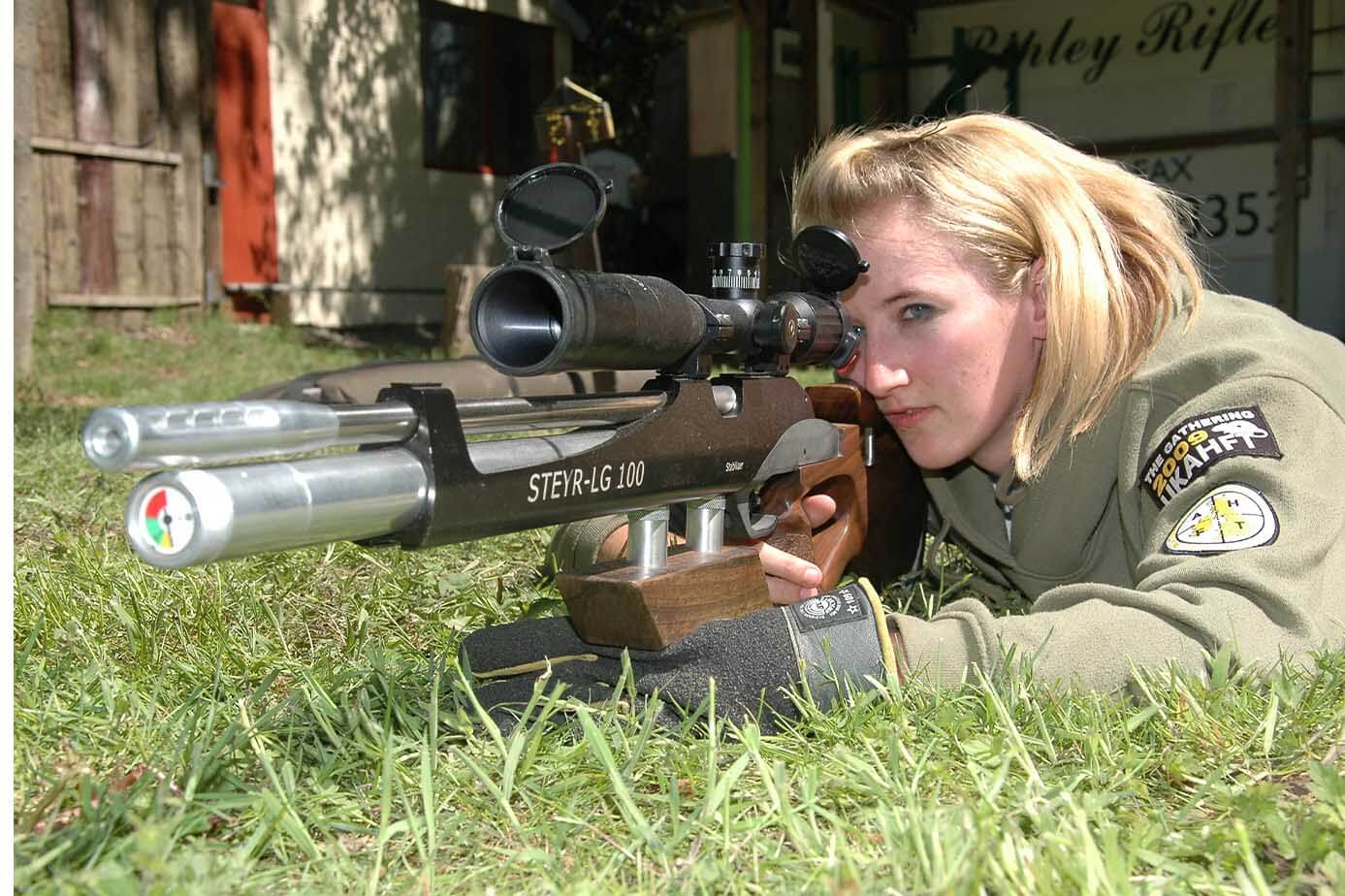
For those that wish to take part in competition shooting, either Field Target or Hunter Field Target, then all those elements regarding trajectory are still relevant. That said, free from the hunters responsibility for achieving clean kills, we can opt to select a particular calibre and just enjoy the challenge for its own sake.
Where Field Target is concerned, shooters can use parallax adjustment on the scope to effectively calculate the distance of the target, so whilst it is still easier to shoot .177, because that flatter trajectory is more forgiving, sophisticated FT scopes will help close the gap considerably.
HFT on the other hand, doesn’t allow the shooter to adjust anything throughout the competition, so again, .177 is by far the easiest to shoot, given that flatter trajectory. Remember though, both FT and HFT disciplines have dedicated .22 classes, so personal choice dictates calibre here.
Just for fun?
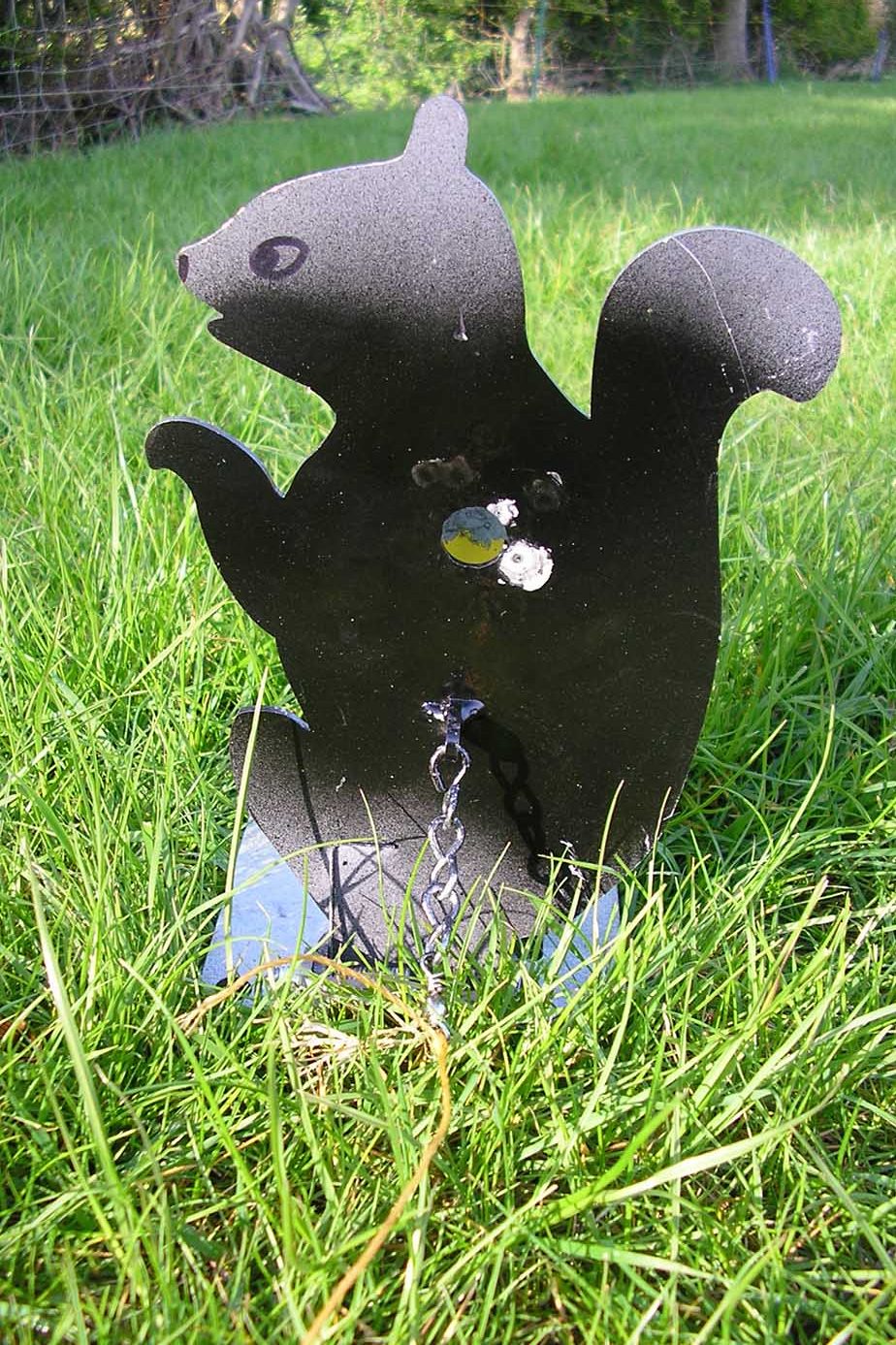
For those buying their first starter gun or purely wanting to shoot casual targets and spinners on the range for fun (plinking as its termed), there really are no rules. In theory, with those trajectory considerations, you’ll still probably find it easier to hit more targets with the smaller .177. Yet shoot on a range, where target distances are known and often clearly marked, and it makes little difference.
Cost
One final point though worth considering, especially for those fun shooters, is the often significant price differential between the calibres; with a tin of the same quantity .22 pellets normally working out at roughly twice the price of .177. For those on a budget, that could well be decision made!
Need More Help?
Plenty to mull over, and we hope that’s shed some light on the subject. But for more info and guidance, just get in touch – we’re here to help.
Range & Country